Shrouded Monuments
For centuries, evolutionary archaeology held that complex monumental architecture required settled agricultural surpluses, ceramic storage, and metal tools. The excavation of Pre-Pottery Neolithic enclosures in Upper Mesopotamia thoroughly dismantled that dogma.
Göbekli Tepe: The 9500 BCE Paradigm Shift
Discovered in the Germuş mountain range of Southeastern Anatolia by German archaeologist Klaus Schmidt in 1994, Göbekli Tepe ("Potbelly Hill") represents the oldest confirmed megalithic temple complex discovered to date. Dated between 9500 and 8000 BCE, the sanctuary predates Stonehenge by over 6,000 years and the Great Pyramid of Giza by more than 7,000 years.
The site consists of twenty circular and oval enclosures cut into a limestone plateau. At the center of each ring stand two monolithic T-shaped pillars reaching up to 5.5 meters in height and weighing between 10 and 20 metric tons. Crucially, geological surveys confirmed the stones were quarried from adjacent limestone bedrock without bronze or iron chisels, worked solely using hard flint blades, hammerstones, and wooden wedges.
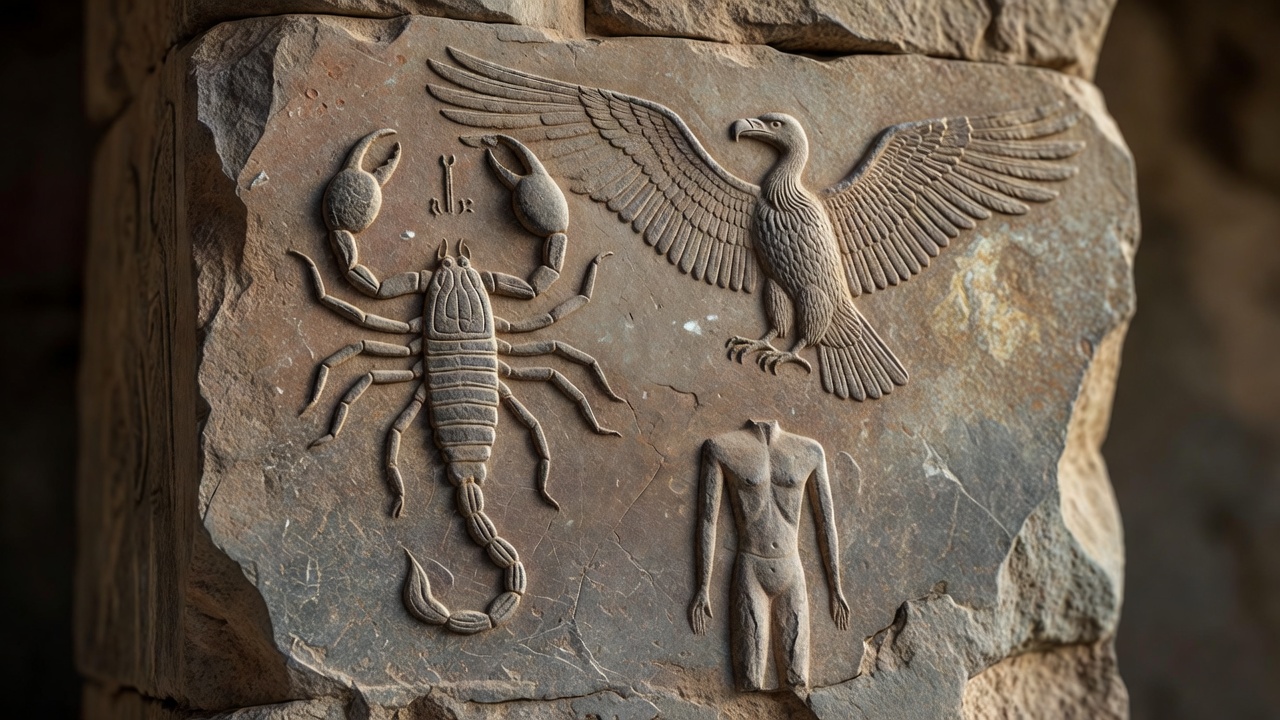
Intentional Backfilling: The Deliberate Burial Mystery
The most puzzling forensic aspect of Göbekli Tepe is not its construction, but its conclusion. Around 8000 BCE, after centuries of ritual use, the builders did not abandon the enclosures to natural wind erosion. Instead, they systematically backfilled the entire complex with thousands of tons of crushed limestone gravel, animal bone fragments (primarily wild gazelle and aurochs), and flint debris.
This deliberate burial preserved the bas-relief carvings in pristine condition for ten thousand years. Ground-penetrating radar shows that over 80% of the megalithic circles remain buried untouched beneath the limestone hill, awaiting slow-paced archaeological extraction.
Derinkuyu: Subterranean Engineering in Volcanic Tuff
In 1963, a resident in the Nevşehir Province of Cappadocia tore down a basement wall and uncovered an ancient rock-cut tunnel leading into the subterranean multi-level complex of Derinkuyu. Carved deep into soft volcanic tuff, the underground city descends eighteen levels to a depth of 85 meters, capable of housing an estimated 20,000 people along with livestock, wine presses, and food stores.
The engineering reflects extraordinary defense calculations:
- Steatite Rolling-Stone Doors: Massive circular stone doors weighing up to 500 kilograms could be rolled shut from the inside only, sealing off distinct levels like modern submarine bulkheads.
- Dual-Function Ventilation Shafts: A 55-meter main vertical air shaft provided fresh airflow across all eighteen tiers while doubling as a water well. Crucially, the lower well vents were isolated from upper access points to prevent surface enemies from poisoning the water supply.
Yonaguni: Natural Fracturing or Submerged Megalith?
Discovered in 1986 off the southern tip of Yonaguni Island in Japan's Ryukyu archipelago, the Yonaguni Monument consists of a stepped rectangular formation measuring 150 by 40 meters, resting 25 meters underwater.
Marine geologist Masaaki Kimura argues the right-angle terraces, vertical post holes, and twin 2-meter megaliths are the product of human modification before the post-glacial sea level rise around 10,000 BCE. Conversely, geologist Robert Schoch contends the formation is a textbook example of directional jointing and natural sandstone bedding planes fractured by the vigorous tectonic activity of the Ryukyu Trench. The debate remains open in current geological filings.